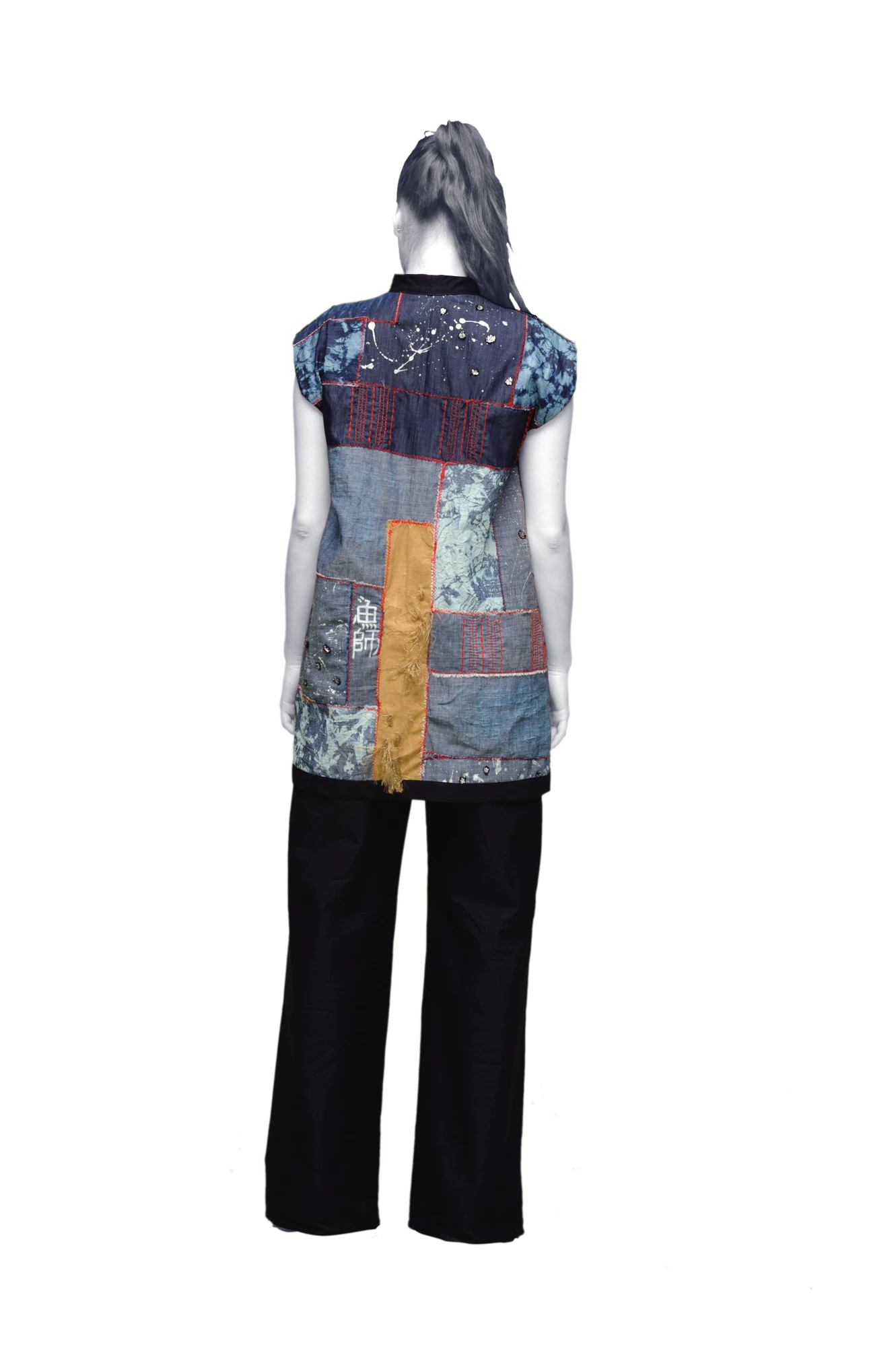
Ryoshi 漁師
The project
The purpose of this project was the creation of a shirts collection, starting from a main theme: identifying and researching indigo in the traditions, from various culture and costume.
Divided into small groups, we starting a research and analysis with book and internet.
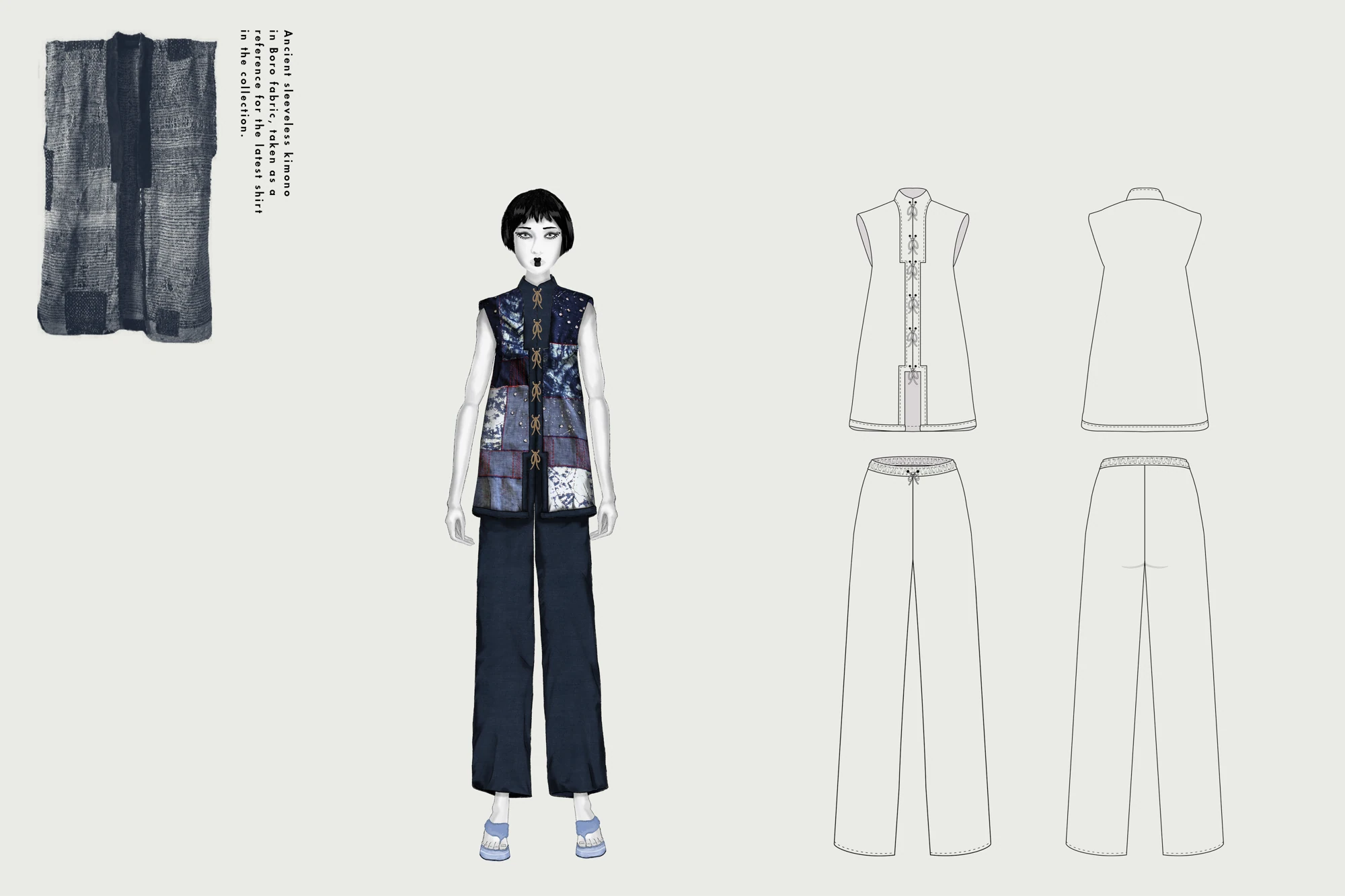
We soon identified in the Japanese culture an interesting element for the development of our project, the BORO fabric.
As a first step, we made a historical-iconographic research, on the use of this fabric.
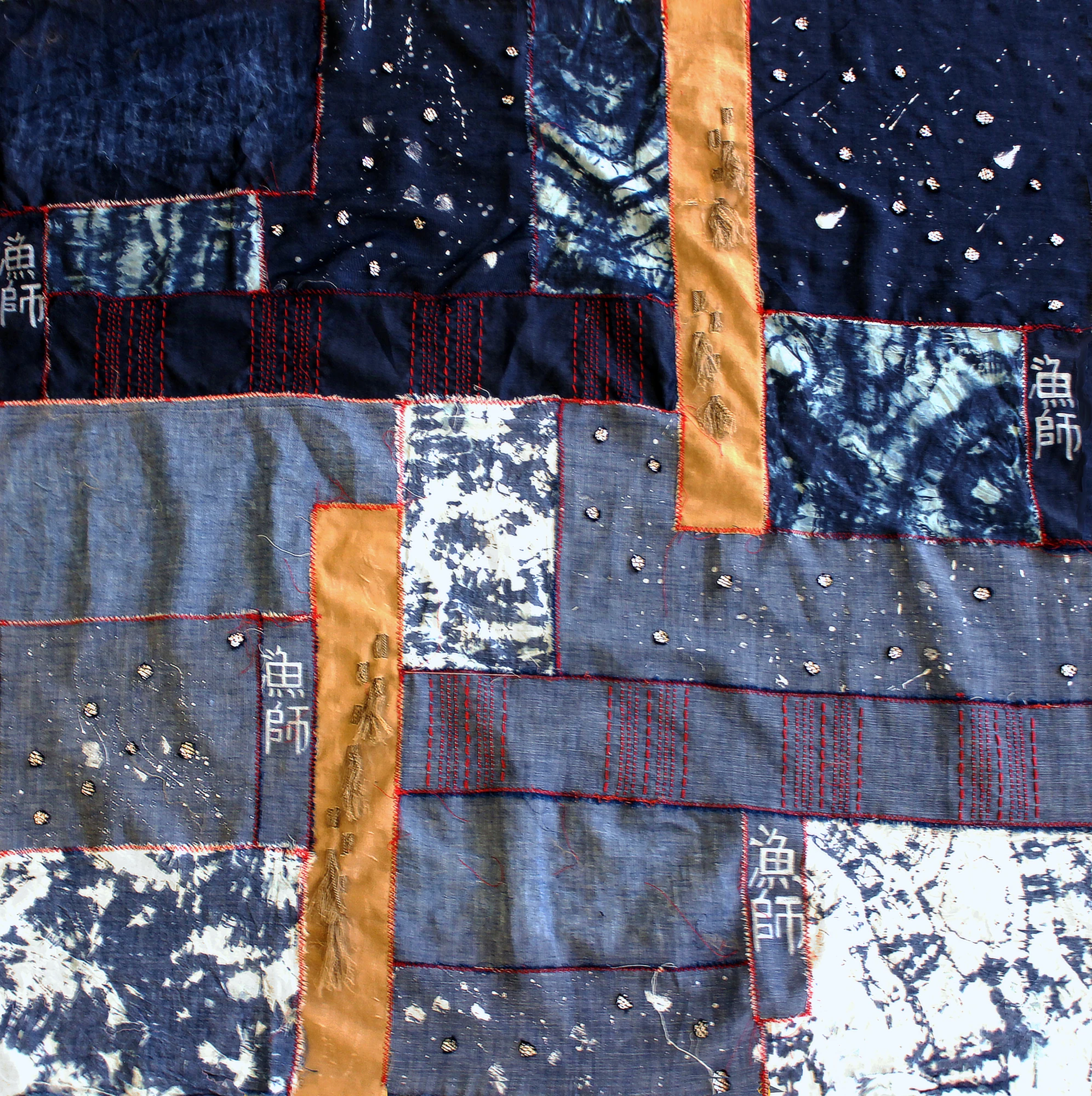
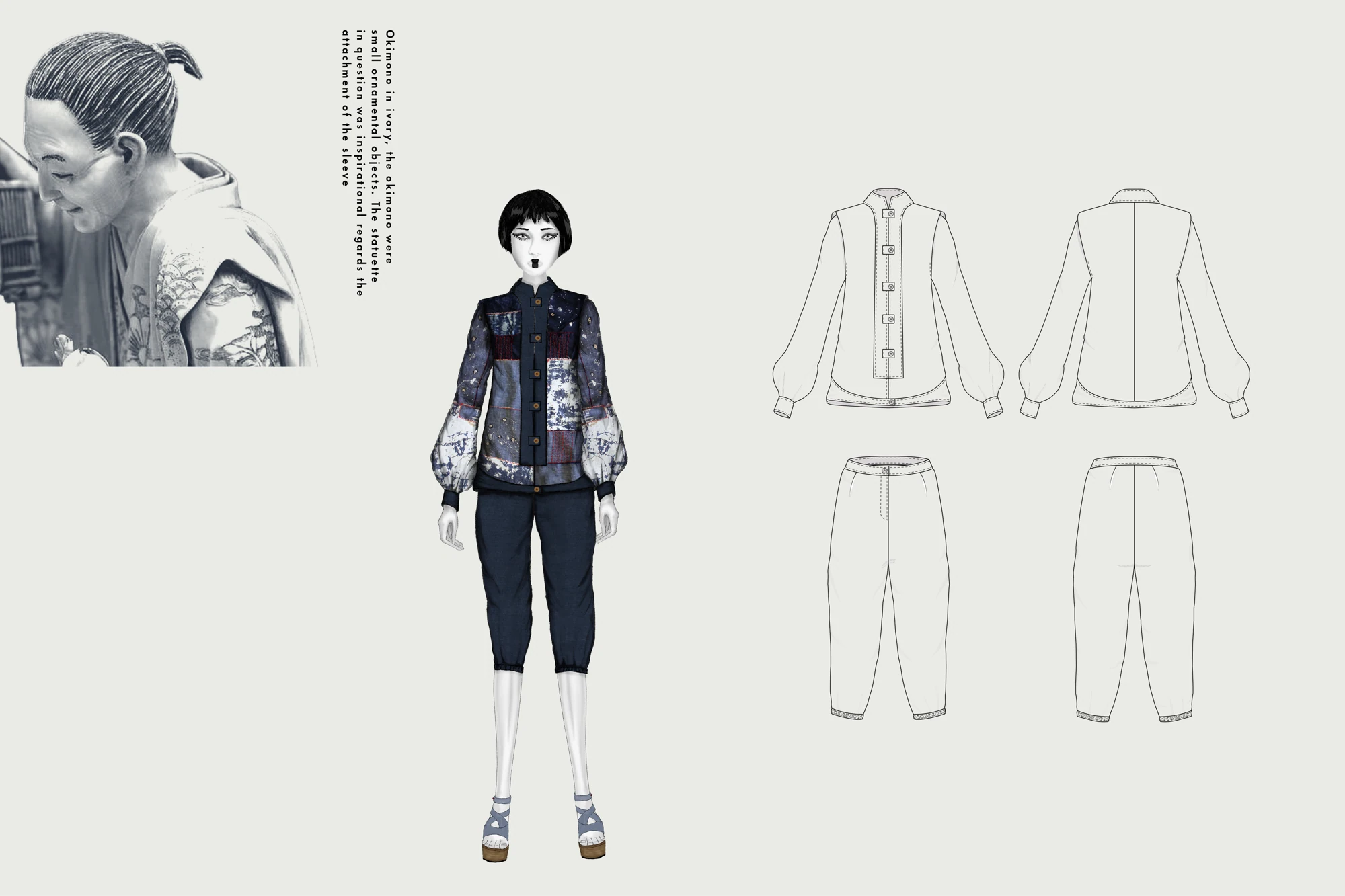
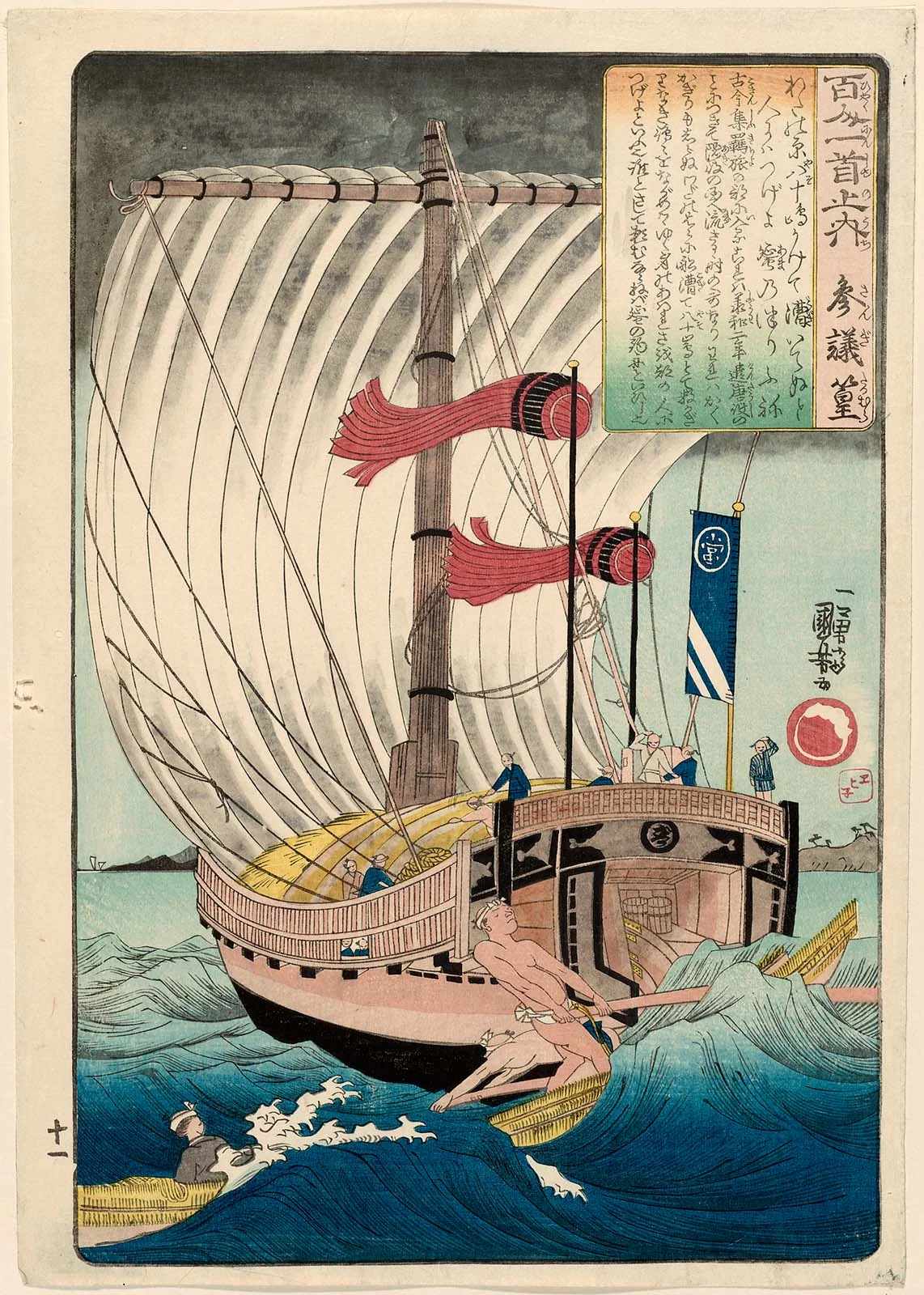
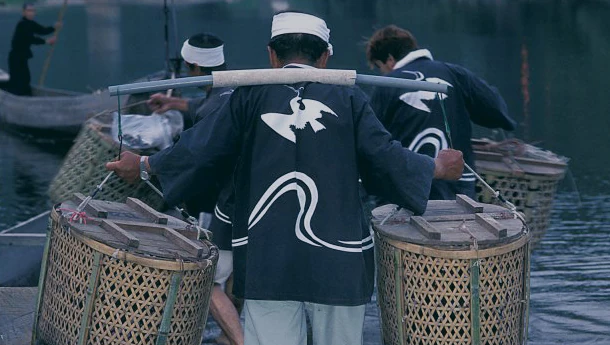
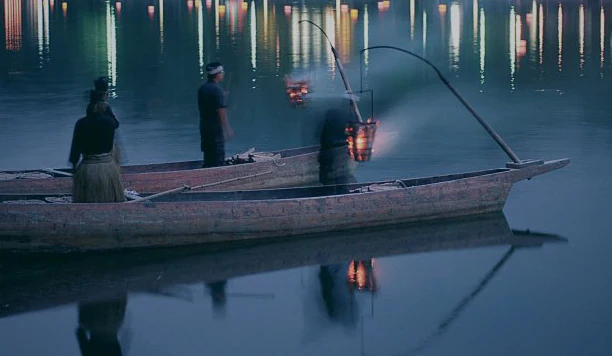
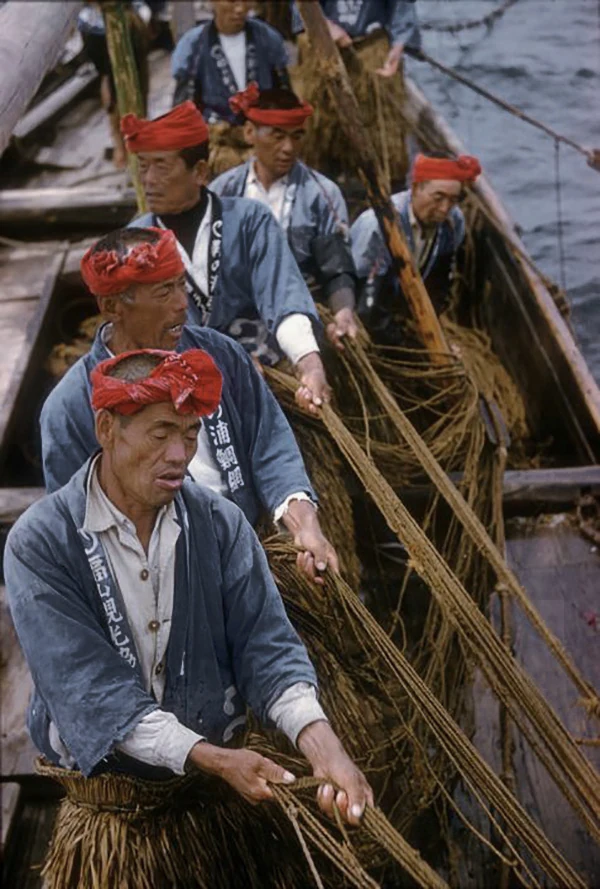
We immediately understood that the BORO fabric was a poor fabric but with a rich history and workmanship. It was often used to make work’s kimono, we were inspired by the ancient Japanese fishermen, by the faint lights reflected on the water during the night fishing, by the thousand shades of the water, by the foam of waves, and by mooring ropes in woven hemp.
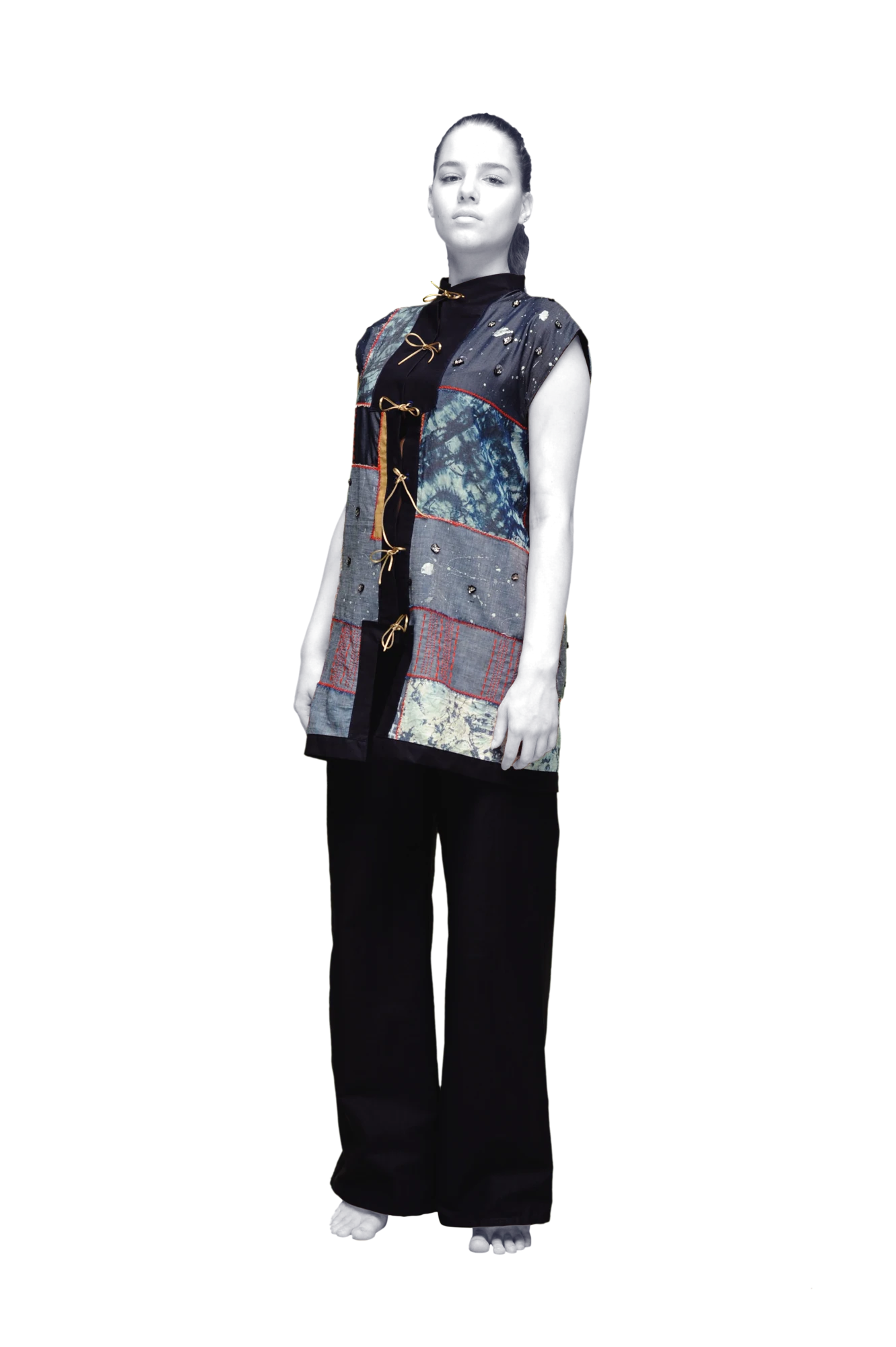
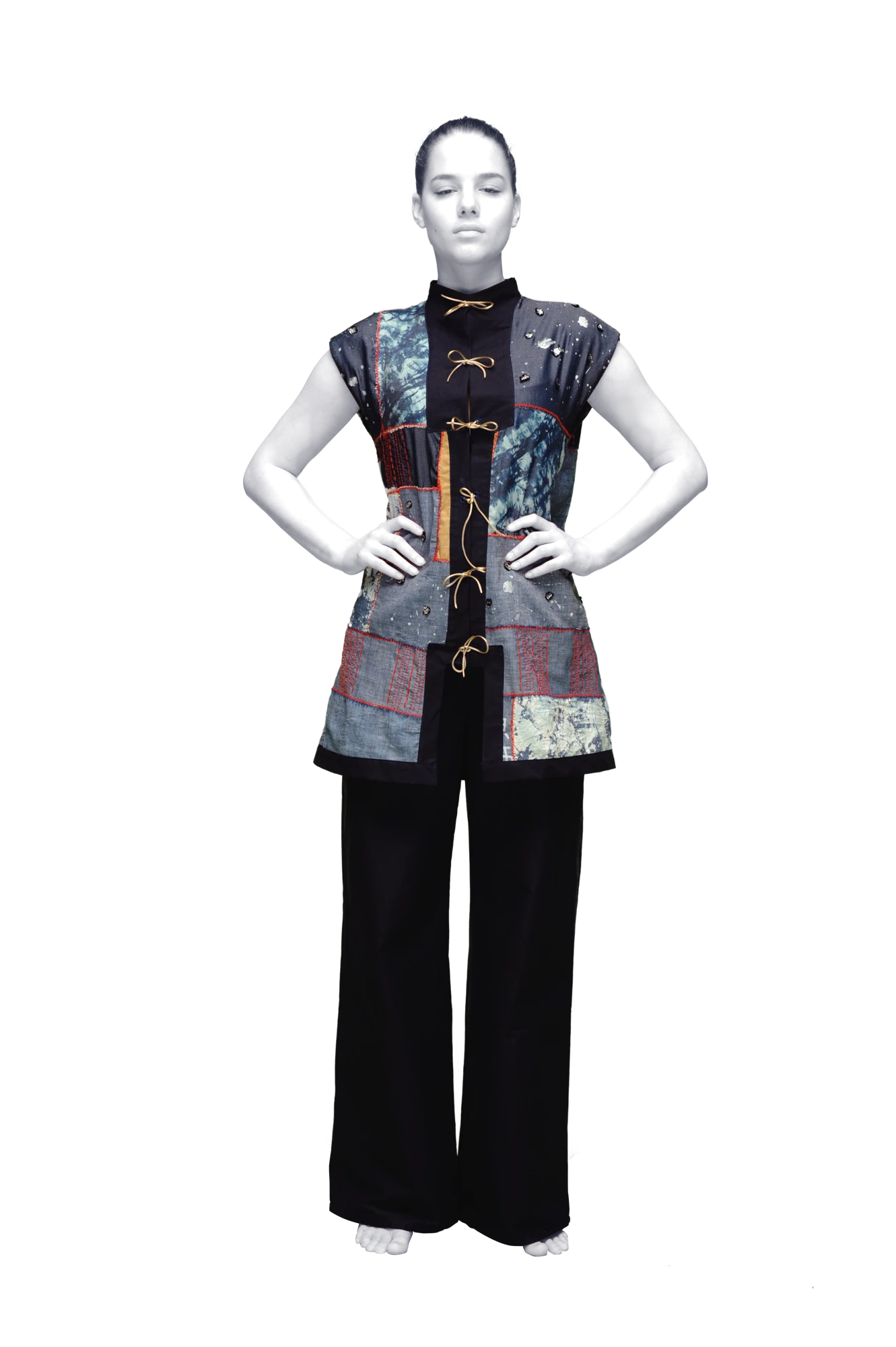
We have translated all this into a fabric through various processes, embroidery, bleaching, fabric aging etc..
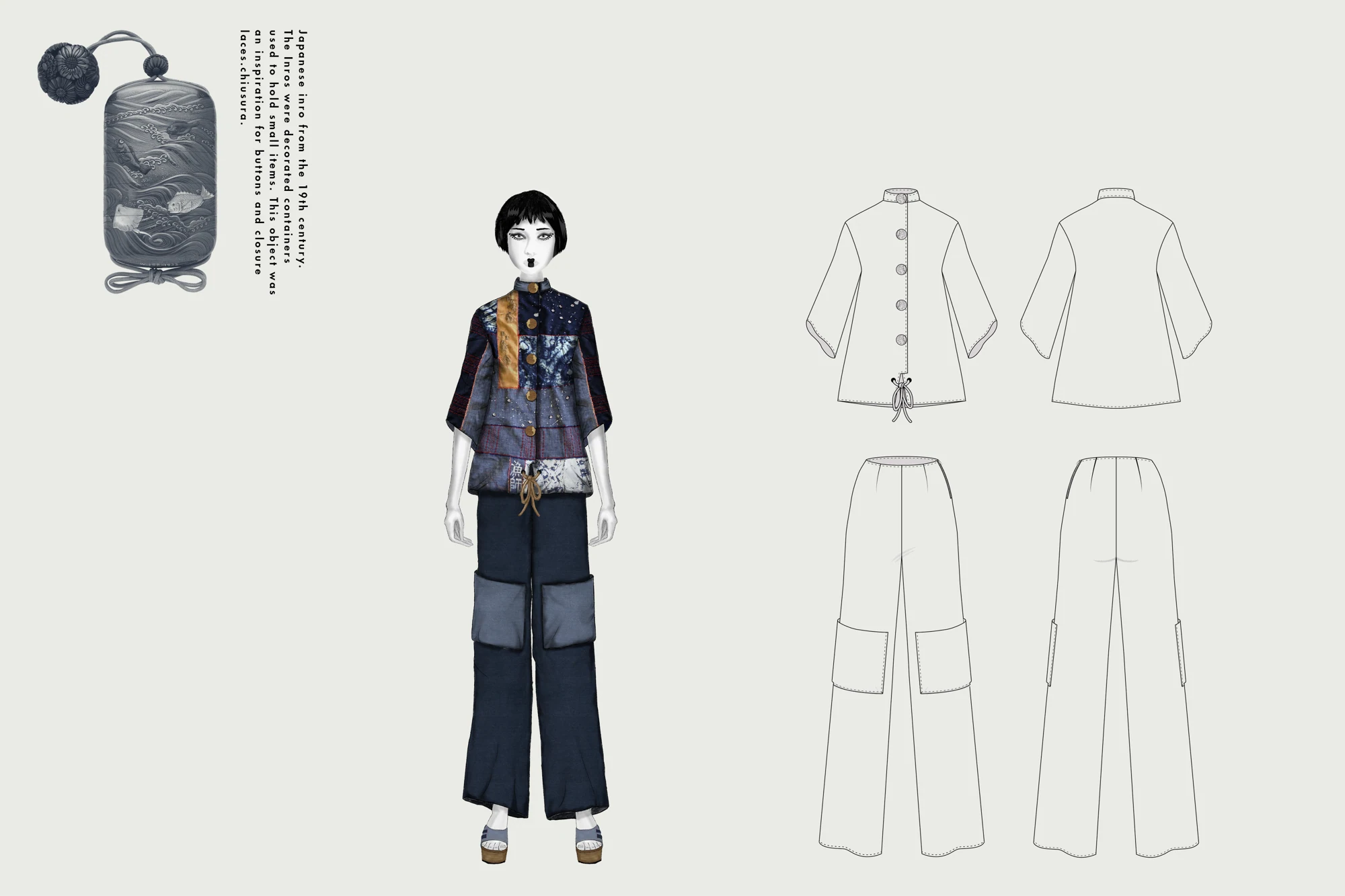
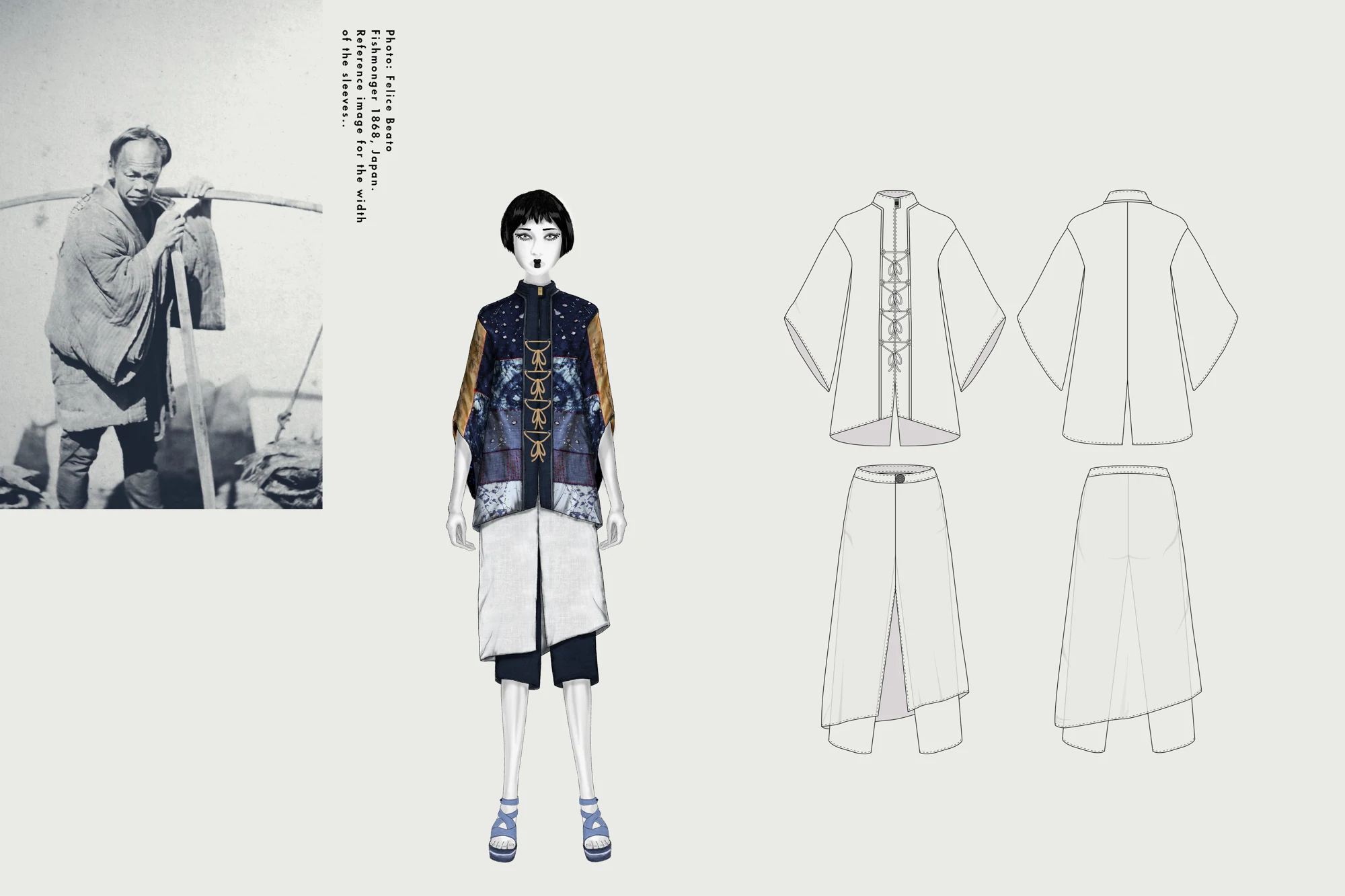
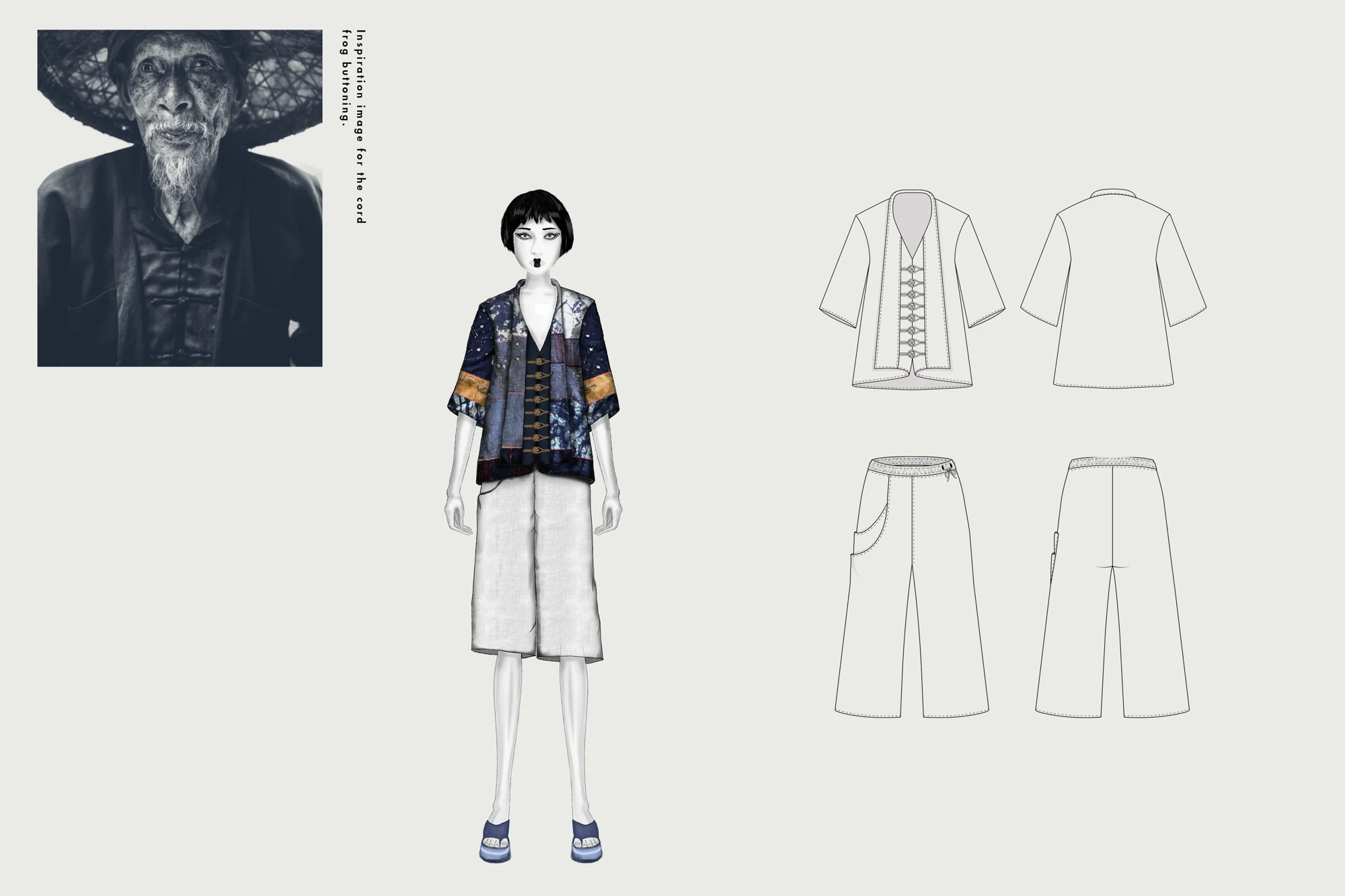
Satisfied with the obtained result we designed the BORO patchwork, made with different cut of fabric processed. In the meantime, each person of the working group has created his own personal collection of shirts, reinterpreting elements of the past in modern way. In the end, with the BORO patchwork fabric we made one of the five designed shirts.
Research

Boro
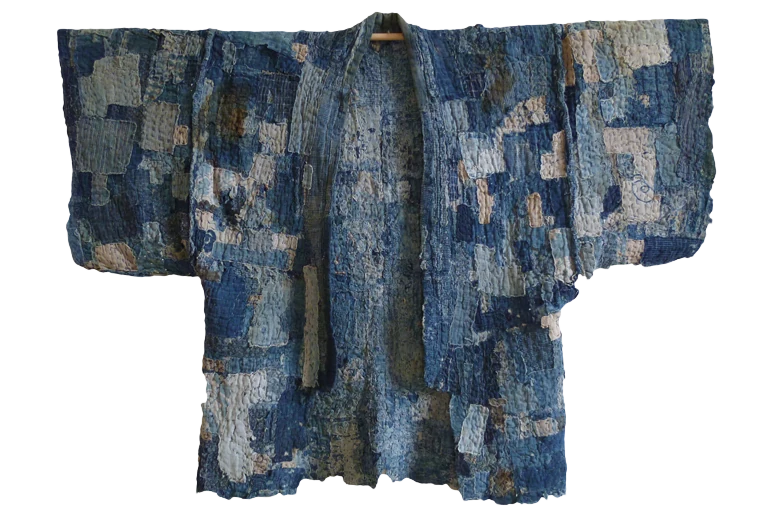
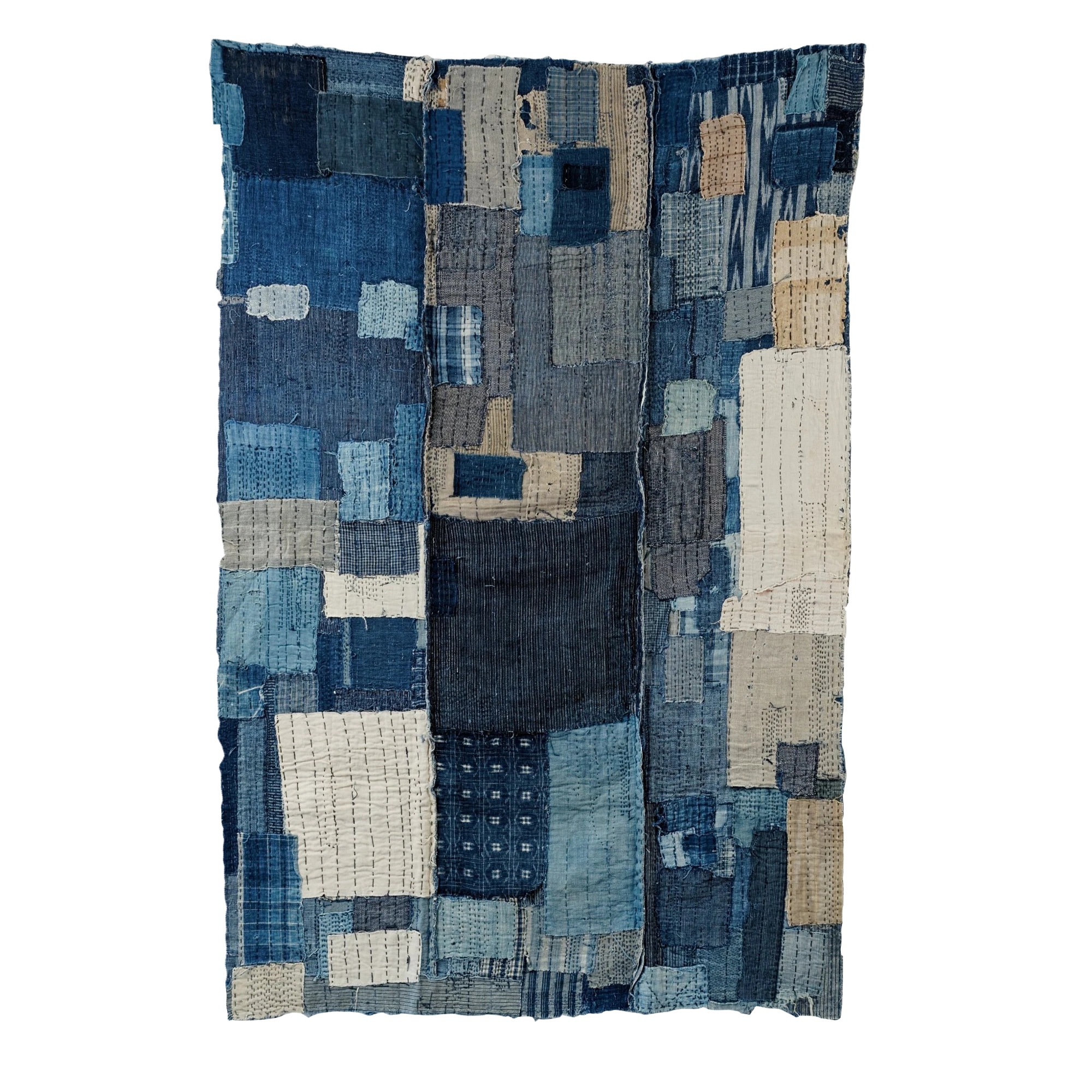
In Japan until the twenty century, the cotton was a luxury material of hard to find, for this reason there was the needs to reuse waste fabrics, to creating patchwork. The fabrics were passed down from generation to generation and repaired again, giving life to the unconscious art form of BORO patchwork, an intricate indigo-color fragments of fabric enriched by involuntary decoration of Sashiko stitching, not just simple fabrics but fragments of stories, in fact the piece of fabrics came from old work kimono, blankets for futon etc.. Just like the kintsugi art (the repair of ceramic with gold) from the irregularity and therefore from uniqueness of individual pieces, something of greater aesthetic beauty can be.
The BORO patchwork was a great inspiration for the creation of collection’s fabric.
Colour & volumes
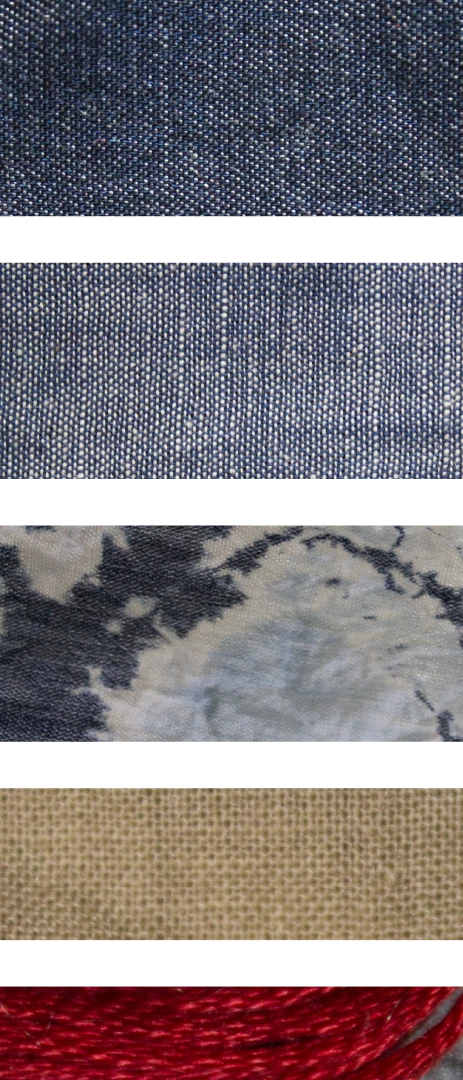
For the color palette, we opted for shade of indigo that recall the color of Boro kimonos, the beige inspired by the old Japanese print and the fisherman’s ropes, and the red a strong color symbol of good luck and completeness (used to stitching the sections of fabrics).
For the volumes of the collection, we were inspired by the large amplitudes and the simplicity of the shapes of Japanese kimono and trousers.
Fabric design
Before the creation of the collection, and the selected shirts, we designed the Boro fabric module, composed of various fabric scraps previously processed.
Before having a good final result, we create several tests, with different modular composition, we opted for a module where there was a clear separation between the dark part and the light part, the two parts are still linked by the same processes, we opting for red joining seams that look up the embroidery thread used. Finally, the 100cmX100cm module was repeated six time, to have a fabric of 6 meters, which can be used to make the garments.